



Slots are now built mobile-first

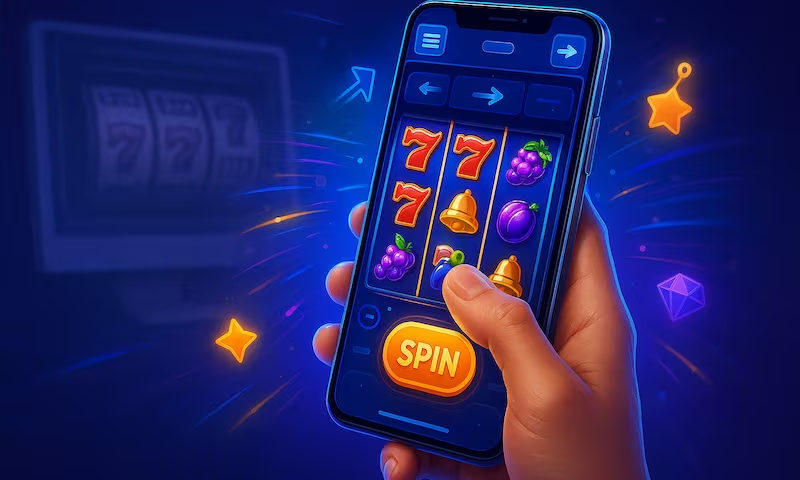
Slots aren’t being adapted for mobile anymore – modern slot games are designed for phones from the beginning. Phones took over, and the games followed, with layouts, controls, and pacing built around quick thumb taps instead of mouse clicks.
I’ve found that newer slots just feel easier from the first spin. You open the game and everything’s already where it should be. No resizing, no hunting for buttons, no awkward screen shifts. It’s just there, ready, and it works without fuss.
Load up a game at an online casino, and you’ll see it straight away – reels fill the screen, menus sit neatly above or below, and the spin button rests exactly where your thumb expects it. Desktop versions almost feel like they came after, not before.
The difference isn’t just about fitting onto a smaller screen. These games are built differently from the ground up, and it shows in how fast they move, how features trigger, and how easy it is to keep playing without thinking twice.
Built for touch, not clicks
Mobile-first slots are designed around touch, not clicks. That means developers think about thumb movement, grip, and screen reach before anything else.
Key design adjustments include:
- Buttons placed lower on the screen
- One-tap spin functionality
- Swipe-friendly navigation
- Minimal on-screen clutter
Everything is positioned to reduce effort. Instead of reaching across the screen, most actions sit within your thumb’s natural range. That creates a faster, more intuitive flow during gameplay.
There’s also a noticeable change in responsiveness. Every tap triggers instant feedback – reels spin quickly, wins display immediately, and controls react without delay. That level of responsiveness matters more on mobile, where touch replaces cursor precision.
From my experience, you stop thinking about controls after a few spins. Your thumb settles into a rhythm, and everything just works. Another subtle shift is simplicity. Extra buttons and side menus have mostly disappeared. Features that once required multiple clicks are condensed into single, effortless actions.
Mobile-first design removes friction and keeps play flowing without interruption.
Portrait mode changes everything
Portrait mode has become standard because it matches how people naturally hold their phones. There’s no need to rotate your device or adjust your grip mid-game.
Inside most online slots, the layout is built vertically, which changes how the game feels and performs:
- Reels stretch to fill the screen
- Symbols appear larger and easier to read
- Animations are tighter and more focused
- Spins move at a quicker pace
Here’s a quick comparison:
| Feature | Desktop Style | Mobile-First Style |
| Screen layout | Landscape | Portrait |
| Symbol size | Medium | Larger |
| Controls | Spread out | Thumb-focused |
| Play speed | Fast | Fast |
Bigger symbols aren’t just visual – they reduce eye strain and make results instantly noticeable. You don’t need to squint or track small details across the screen. Portrait mode also prioritises the reels over everything else. Side panels, menus, and extras take a back seat, keeping your attention where it should be.
Another standout detail is how bonus features are presented. Instead of switching screens, many bonuses play out within the main layout. That keeps the pace steady and avoids breaking the flow.
In summary: portrait design improves focus, speed, and overall ease of play.
Why mobile slots fit modern player habits
Mobile slots work because they match how people actually play – in short, casual bursts rather than long, planned sessions.
Gameplay is built around convenience:
- Quick load times
- Short spin cycles
- Easy pause-and-return
- No setup or downloads
Most players aren’t sitting at a desk for extended sessions. Play happens in spare moments – during a commute, in a queue, or while multitasking.
From my experience, mobile slots feel natural to jump into and step away from. There’s no commitment required – just tap, spin, and carry on.
Common mobile play habits include:
- Short sessions
- One-handed play
- Instant access
- Minimal effort
Another factor is flexibility. Mobile slots don’t demand full attention, which makes them easy to fit around daily routines.
Common mistake: expecting desktop-style pacing. Mobile slots are designed for speed and convenience, not long-form play.
Mobile layouts that keep players moving
Mobile-first thinking extends beyond the games – it shapes how casinos present everything from game libraries to navigation.
Scrolling has replaced clicking as the main way players browse. Instead of jumping between pages, everything flows in one continuous feed.
Common mobile optimisations include:
- Endless scrolling game lists
- Quick-launch previews
- Sticky navigation bars
- Minimal loading delays
The browsing experience feels closer to a social feed than a traditional website. You scroll, spot something interesting, tap, and start playing almost instantly.
Here’s how it typically works:
- Scroll through games
- Tap one that stands out
- Play with no extra steps
Casinos also personalise the experience:
- Recently played games appear first
- Favourite titles are easy to access
- Suggestions are based on activity
Another detail that often goes unnoticed is background loading. Games prepare quietly while you browse, reducing waiting time when switching between titles. From what I’ve seen, the goal is simple – remove pauses, keep movement constant, and make transitions feel effortless.
In a nutshell: faster browsing leads to more consistent and enjoyable play sessions.
Mobile leads the way in slot design
Mobile-first slots aren’t an alternative to desktop games – they’ve become the main way players engage with slots.
The shift is driven by simple realities:
- Phones are always within reach
- Sessions are shorter and more frequent
- Interaction is based on touch, not clicks
Design naturally follows behaviour. And right now, player behaviour revolves around mobile devices. Everything – from controls and layouts to pacing and feature design – reflects that change. Desktop gaming still exists, but it often feels like an extension rather than the main experience. Looking at how far design has come, it’s clear that mobile isn’t just part of the journey anymore. It shapes how games are built from the ground up.
Final takeaway: mobile-first slots aren’t a passing change – they define how slot games are created, played, and experienced moving forward.