



My Mobile Casino Play Checklist for Comfort and Control

Matt Bourie
Casino Expert


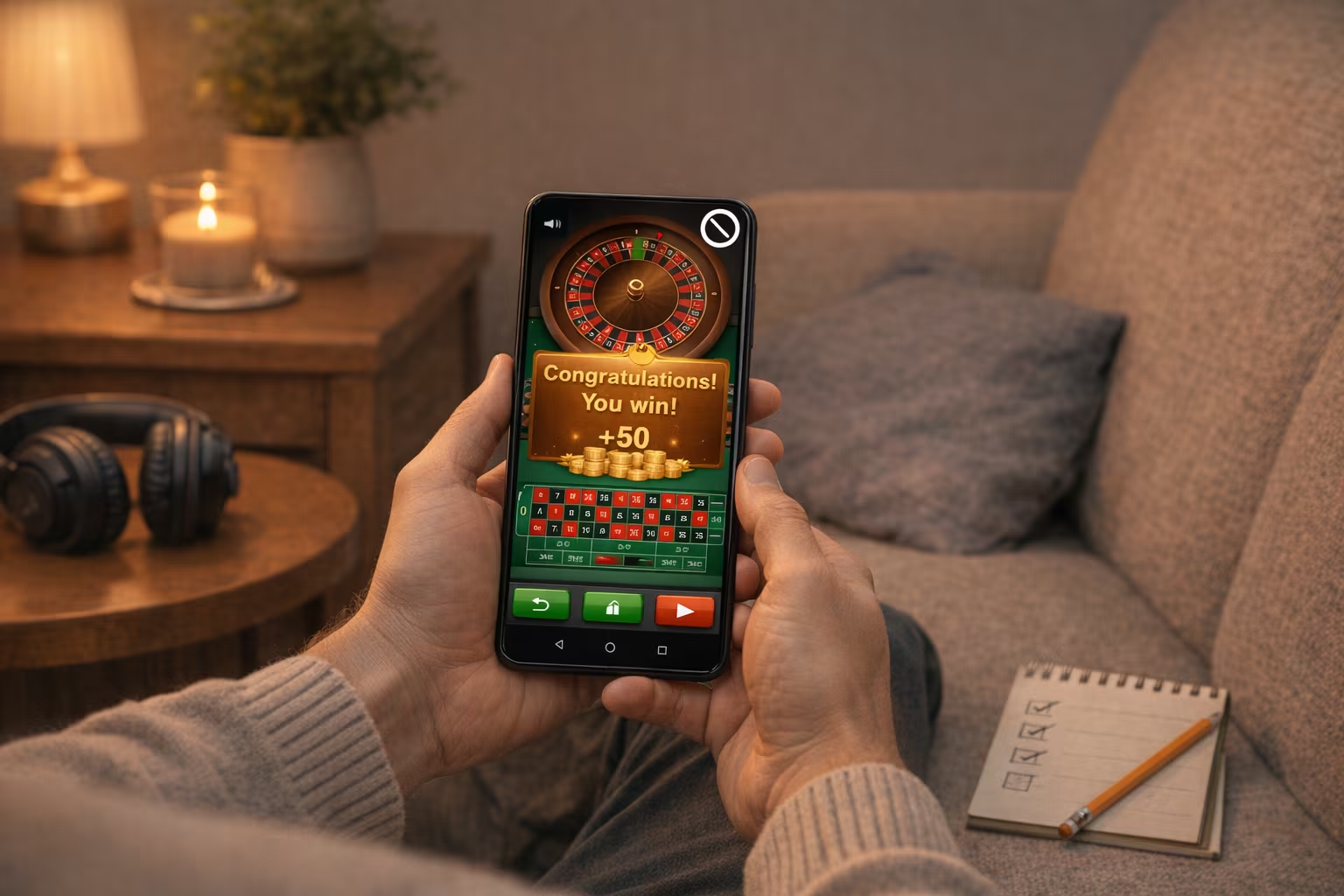
When I access platforms like Jackpot City on my phone, I treat the experience as something intentional and measured. Mobile casino play has a unique immediacy because everything is just a tap away. That’s why I’ve developed a personal checklist that keeps each session grounded in comfort and control. It allows me to stay present, enjoy the design and atmosphere, and step away just as easily as I begin.
Setting the Tone With Screen Comfort
I start with the most overlooked factor: screen calibration. Lighting conditions change throughout the day, and I adjust brightness manually to suit the environment rather than relying entirely on automatic settings. In the evening, I reduce brightness and often enable a warmer tone to minimize eye strain. During the day, especially in brighter spaces, I increase clarity without pushing the screen to a harsh glare.
This small adjustment has a noticeable effect. Visual fatigue can subtly shift how long a session feels, and I prefer my experience to remain visually comfortable from start to finish. A well-balanced display allows me to appreciate the design details, like colour gradients and interface responsiveness.
Managing Sound as Part of the Experience
Sound is another element I approach deliberately. Mobile casino platforms are designed with layered audio. These include background ambience, subtle cues, and interface feedback. Instead of leaving everything at full volume, I tailor the sound based on my setting.
If I’m in a shared space, I mute the game or use headphones to maintain discretion. When I have more privacy, I keep audio at a low, controlled level. The goal isn’t immersion at all costs. Instead, I aim for clarity without intrusion. I find that a restrained audio setting keeps the experience refined without distracting me from the game.
Choosing the Right Environment
Where I sit is more important than most people would expect. I avoid playing while lying down or in positions that encourage passive scrolling. Instead, I choose a setting that supports awareness. This could be a spot on my couch or a quiet corner, where I can sit upright and remain attentive.
The setting is less about posture and more about mindset. The environment I pick shapes how intentional the gaming session feels. When I’m comfortable but alert, I engage differently. I’m more aware of time, more responsive to changes in focus, and better positioned to pause when needed.
Maintaining Privacy Without Complication
Privacy on mobile is subtle but important. Notifications, shared screens, or even background interruptions can disrupt a session. To deal with this, I usually enable “Do Not Disturb” mode to prevent incoming alerts from breaking concentration.
I’m also mindful of where I’m connected. Using secure, private networks adds a layer of reassurance, especially when accessing any account-based platform. These are small, practical steps, but they contribute to a sense of control that I consider essential.
Privacy, for me, is more about creating a contained environment where I can enjoy my games without unnecessary interference.
Keeping Sessions Intentional
One of the most important parts of my checklist is defining the session before it begins. I don’t rely on external prompts or automated reminders. Instead, I set a clear intention. Sometimes it’s as simple as deciding how long I want to spend or recognizing that I’m just looking for a brief, contained experience.
Mobile play can easily blur into background activity if left unchecked. By setting an internal boundary, I keep the session purposeful. I always stay aware of this limit, and once it’s reached, I step away without hesitation. It’s a habit that reinforces control over time.
Taking Breaks Before Fatigue Sets In
I don’t wait until I feel tired to pause. Breaks are part of the structure, not a reaction to discomfort. Even a short pause helps to reset my attention. This could involve shifting focus or stepping away for a few minutes.
This approach keeps the experience consistent. Rather than pushing through diminishing focus, I maintain a steady level of engagement throughout. It also ensures that returning to the session, if I choose to, feels fresh rather than habitual.
Staying Aware of Subtle Changes
Being in control is about noticing small shifts. If I find myself adjusting posture frequently, increasing brightness unnecessarily, or losing track of time, I take that as a signal to pause.
These cues are easy to ignore, but they’re reliable indicators of when a session is no longer aligned with comfort or focus. Acting on them early keeps the experience balanced.
Understanding the Role of Platform Tools
Responsible gaming information is always accessible on platforms like Jackpot City, and I treat it as a reference point whenever necessary. Personal awareness remains the most consistent form of control.
This perspective keeps responsibility with me, where it belongs. External safeguards are valuable, but they are not substitutes for deliberate, self-directed habits.
Ending Sessions Cleanly
How a mobile casino session ends is just as important as how it begins. I make a point of closing the app fully instead of leaving it running in the background. It’s a small action, but it creates a clear boundary between the session and everything that follows.
This habit reinforces the idea that mobile gameplay is a defined activity, not something that lingers passively throughout the day.
A Refined Approach to Mobile Play
Over time, this checklist has become second nature. It doesn’t complicate the experience and instead refines it. By focusing on comfort, privacy, and control, I keep each session intentional and aligned with how I want to engage with the casino.
Mobile gaming platforms are designed for ease and accessibility, but that doesn’t mean the experience should be unstructured. With a few deliberate adjustments, it becomes something far more considered: a comfortable, self-directed moment that begins and ends exactly when I choose.