



Why I Always Try Demo Mode Before Real Play

Matt Bourie
Casino Expert


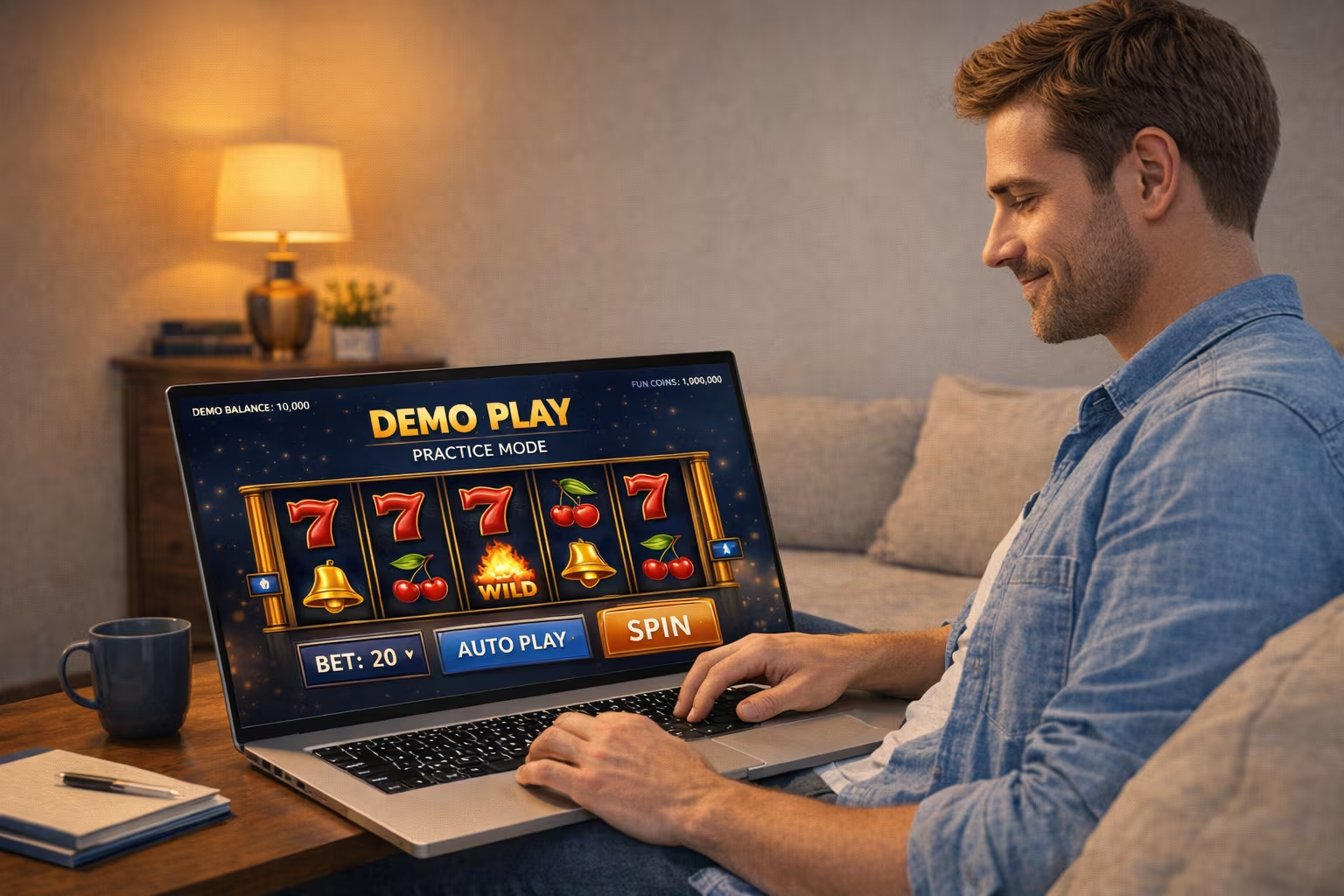
I always begin my sessions on Jackpot City with a simple rule: I don’t commit anything until I understand exactly what I’m interacting with. Using demo mode first has become my baseline for approaching any new title or unfamiliar format. It’s not about hesitation but rather clarity. In an environment designed to be immersive and fast-moving, I prefer to slow things down just enough to read the room, so to speak.
Understanding the Game Beyond First Impressions
What draws me in initially is often visual. A new slot might present a striking interface or a theme that feels cinematic. Table games, on the other hand, tend to communicate familiarity with subtle variations in layout and pacing. But aesthetics alone don’t tell me how a game behaves. That’s where demo mode becomes essential. It allows me to explore structure without pressure.
When I open a game in demo mode, I’m not chasing outcomes. Instead, I’m observing. I pay attention to how information is displayed: where rules are located, how outcomes are communicated, and how transitions happen between rounds. This phase feels almost like stepping behind the curtain. The point is not to uncover secrets, but to understand the rhythm of the experience. Every game has its own tempo, and demo mode lets me tune into it.
Paying Attention to Design and Functionality
One thing I’ve learned over time is that even small design elements can influence how a game feels. The pace of animations or the way results are presented all contribute to how intuitive or confusing a session might become. Demo play gives me the space to notice these details without distraction. If something feels unclear, I can pause and take my time interpreting it.
I also use demo mode to familiarize myself with terminology. Even within standard formats, wording can vary slightly. Labels and instructions may look polished, but they still require interpretation. I don’t assume anything. I cross-check to make sure I understand what each element represents. This approach keeps me grounded in facts rather than assumptions.
Removing Pressure to Think Clearly
Another benefit is how demo mode removes emotional noise. When there’s no real stake involved, I find it easier to stay analytical. That shift in mindset is valuable because it sets the tone for everything that follows. By the time I consider moving beyond demo, I already know what to expect in terms of structure and flow.
It’s worth noting that this habit isn’t about mastering a game or predicting outcomes. My goal is simply to understand the framework: what the game presents, how it operates, and how information is conveyed to me as a player. That level of familiarity helps me engage more responsibly and with greater awareness.
I also appreciate that demo mode aligns naturally with a measured approach to play. It reinforces the idea that participation should be informed, not impulsive. In a space where everything is designed to feel seamless, taking a step back to learn first creates a useful boundary. It reminds me that I’m in control of how and when I engage.
Testing Usability Across Devices
From a broader perspective, this habit reflects how I approach digital environments in general. Whether it’s a new tool or interface, I prefer to explore before committing. The stakes may differ, but the principle remains the same: understand first, act second. In the context of online gaming, that principle feels especially relevant.
Responsible gaming is part of that equation as well. While platforms like Jackpot City provide access to responsible gambling resources at any time, I don’t rely on reactive measures alone. My approach is proactive. It’s about setting a tone of awareness from the outset. By taking the time to learn, I reduce the likelihood of confusion or misinterpretation later on.
There’s also a practical dimension to this approach that I’ve come to value more over time. Demo mode allows me to test usability across devices. I check how a game feels on desktop and mobile and whether the layout adapts to the screen size. These technical details might seem minor at first glance, but they shape the overall experience in meaningful ways. If something feels awkward or inconsistent in the demo, I take that as useful information before deciding how to proceed.
Building Confidence Before Real Play
There’s also a certain confidence that comes from this approach. When I transition from demo to real play, I’m not navigating blindly. I already know where to look for information and what the overall gameplay feels like.
I’ve found that this method enhances enjoyment in a subtle way. Instead of feeling rushed or uncertain, I feel composed. I can focus on the design and the flow of the game without second-guessing basic elements. It turns the experience into something more deliberate and, in many ways, more satisfying.
Of course, not every game will resonate with me, and demo mode helps me identify that early. If something feels overly complex or doesn’t align with my preferences, I can simply move on. There’s no obligation to continue, and that freedom is part of what makes the process feel balanced.
Ultimately, my “demo first” habit is less about caution and more about intention. It’s a way of engaging with online gaming that prioritizes understanding over immediacy. In a space defined by speed and stimulation, I find value in pausing just long enough to learn the rules and decide how I want to proceed.
That pause makes all the difference.
Turning a Habit into a Personal Standard
Over time, this approach has also shaped how I evaluate new releases more broadly. I find myself asking more structured questions: Is the interface intuitive without guidance? Are the rules easy to locate and clearly written? Does the experience remain consistent from one round to the next? Demo mode gives me the opportunity to answer these questions calmly, without distraction. It transforms what could feel like a rushed first impression into something more considered and informed.